











Caring for a pet is one of the most rewarding experiences anyone can have, but it also comes with responsibilities—especially for first-time owners. Whether you’ve brought home a dog, cat, rabbit, or any small companion, you need a clear understanding of what it takes to keep them healthy, happy, and safe. This Beginner’s Guide to Pet Care will walk you through everything you need to know, from nutrition and grooming to training, safety, and emotional bonding.
This guide is designed to give new pet owners confidence and help them build a strong foundation for long-lasting companionship.

Why Pet Care Matters So Much
Many beginners assume that love alone is enough, but pets depend on you for every aspect of their well-being. Proper pet care shapes their behavior, prevents diseases, and builds trust.
When you prioritize care from day one, you’re not just raising a pet—you’re creating a healthy environment where your animal can thrive.
This Beginner’s Guide to Pet Care will help you avoid the common mistakes many first-time owners make.
1. Understanding Your Pet’s Needs
Every animal has unique needs based on its species, breed, age, and personality. Before bringing a pet home, you must understand the basics of what they require.
1.1 Know the Species-Specific Requirements
A cat does not need the same care as a dog. A rabbit’s diet is not the same as a guinea pig’s. Birds require mental stimulation, while reptiles need specific temperature levels.
This Beginner’s Guide to Pet Care emphasizes learning the basics first:
- Dogs: Exercise, training, mental stimulation
- Cats: Independence, scratching posts, litter box hygiene
- Birds: Social interaction, cage cleaning, safe toys
- Rabbits: Fiber-rich diet, secure indoor/outdoor space
- Reptiles: Correct temperature and humidity
- Fish: Clean water, proper tank size
1.2 Consider Your Lifestyle
Your daily routine determines what type of pet suits you.
Ask yourself:
- Do you travel often?
- Do you have enough free time for walks or play?
- Are you able to handle grooming or vet visits?
Understanding your lifestyle helps you make better pet-care decisions.
2. Preparing Your Home for a New Pet
Bringing a pet home without preparation can lead to accidents, stress, and unnecessary risks.
2.1 Pet-Proof Your Space
Just like child-proofing, pets need a safe environment. Remove:
- Toxic plants
- Chemicals and cleaning products
- Electrical wires
- Small objects they can swallow
2.2 Create a Comfort Zone
Every pet needs a designated space. This makes them feel secure and helps with training.
Provide:
- A soft bed
- Food and water bowls
- Toys
- A litter box or puppy pads (for indoor pets)
Your home should feel like a safe and welcoming place—this is an essential part of any Beginner’s Guide to Pet Care.

3. Nutrition: Feeding Your Pet the Right Way
Nutrition plays a major role in your pet’s health. A poor diet can lead to obesity, allergies, digestive problems, and behavioral issues.
3.1 Understand Nutritional Needs
Pets need balanced meals with:
- Proteins
- Healthy fats
- Vitamins
- Minerals
Different pets require different dietary ratios.
3.2 Avoid Human Foods
Certain human foods can be toxic:
- Chocolate
- Onions
- Garlic
- Alcohol
- Grapes and raisins
- Caffeine
Beginners often accidentally feed harmful items, so this guide stresses caution.
3.3 Consistency Is Key
Feed your pet at the same times each day to help with digestion and behavior.
Regular feeding schedules also help establish routine—an important factor in pet comfort and stability.

4. Grooming and Hygiene Essentials
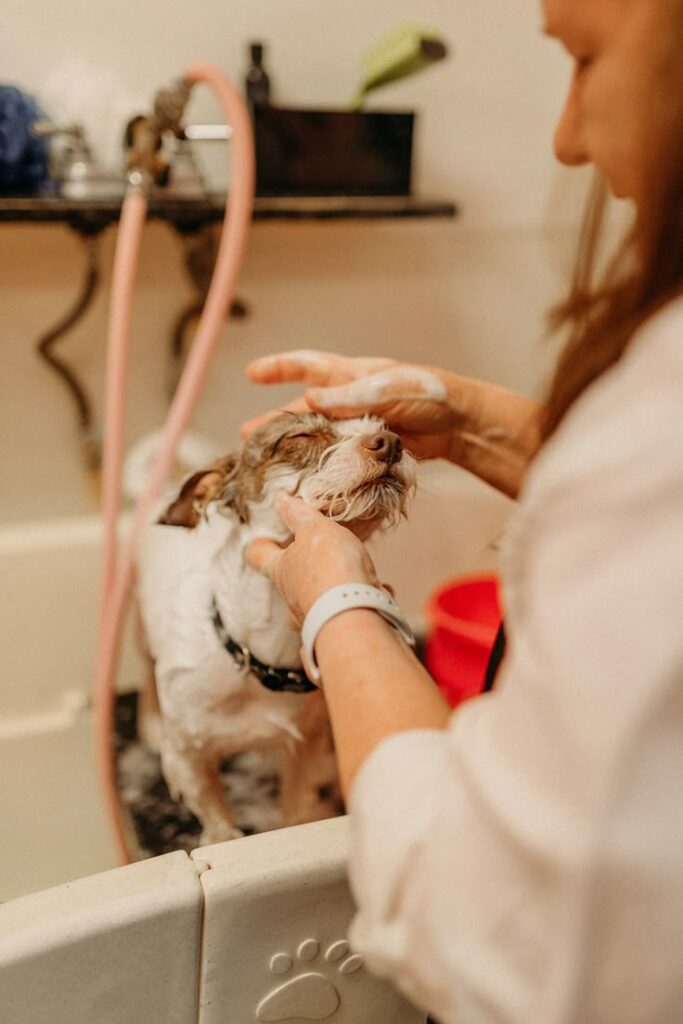
Grooming keeps pets clean, comfortable, and healthy. It also helps you catch signs of illness early.
4.1 Basic Grooming Routine
A proper Beginner’s Guide to Pet Care must include grooming basics:
- Brushing: Removes shedding fur and prevents tangles
- Bathing: Frequency varies depending on the pet
- Nail trimming: Prevents injuries and discomfort
- Ear cleaning: Prevents infections
- Dental care: Essential for long-term health
4.2 Regular Health Checks During Grooming
While grooming, check for:
- Skin irritations
- Fleas or ticks
- Lumps or bumps
- Unusual odors
- Redness or swelling
Early detection can prevent serious problems.
5. Training and Behavioral Guidance
Training does not mean strict discipline—it means communication.
A trained pet is confident, safe, and happier.
5.1 Basic Obedience Training for Dogs
Teach:
- Sit
- Stay
- Come
- Leave it
- Leash walking
Positive reinforcement is the best method.
5.2 Litter Training for Cats
Cats naturally use litter boxes, but:
- Keep it clean
- Place it in a quiet location
- Avoid scented litters
5.3 Behavioral Stimulation
All pets need mental enrichment:
- Puzzle toys
- Training games
- Safe chew toys
- Interactive toys
- Foraging opportunities
Your pet’s mind is just as important as their body.
6. Exercise and Activity Needs
Every pet needs exercise—some more than others.
6.1 Dogs
Daily walks, running, fetch, and structured play.
6.2 Cats
Even independent cats need:
- Climbing shelves
- Laser toys
- Feather wands
- Scratching posts
6.3 Small Pets
Rabbits, hamsters, and guinea pigs need safe play areas outside their cages.
6.4 Birds and Reptiles
Birds need flight or wing exercise.
Reptiles require climbing structures and movement-friendly habitats.
Exercise prevents obesity, stress, and destructive behavior.

7. Veterinary Care and Regular Check Ups
No Beginner’s Guide to Pet Care is complete without veterinary guidance.
7.1 Schedule Routine Check-Ups
At least once a year, or more depending on the pet.
7.2 Vaccinations
Stay updated on recommended vaccines based on species and age.
7.3 Parasite Prevention
Use trusted products to prevent:
- Fleas
- Ticks
- Worms
7.4 Emergency Preparedness
Know the signs of health emergencies:
- Sudden vomiting
- Difficulty breathing
- Passing out
- Seizures
- Unusual behavior
Always contact a veterinarian if something seems wrong.

8. Building a Strong Bond With Your Pet
Bonding is not just about spending time together—it’s about understanding your pet’s personality, emotions, and needs.
8.1 Spend Quality Time
Pets feel secure when they receive:
- Attention
- Touch
- Play
- Gentle interaction
8.2 Learn Their Body Language
Watch for:
- Tail movement
- Ear position
- Vocal sounds
- Eye contact
- Body posture
Understanding communication builds trust.
8.3 Respect Their Boundaries
Some pets need space, quiet, and gradual socialization.
The strongest relationships are built on patience and mutual respect.

9. Creating a Long-Term Pet Care Plan
Responsible ownership is not temporary—it’s lifelong.
9.1 Financial Planning
Budget for:
- Food
- Grooming
- Vet visits
- Emergency care
- Toys
- Training
9.2 Routine and Structure
Create daily routines for feeding, playtime, and rest.
9.3 Continued Learning
Every pet is unique.
Stay open to learning new things about your pet and improving your care methods over time.
This is what transforms a beginner into a truly responsible owner.

What is the most important part of a Beginner’s Guide to Pet Care?
The most important part is understanding your pet’s basic needs—nutrition, hygiene, exercise, and emotional support. When these are met consistently, your pet will stay healthier and happier.
How often should beginners take their pet to the vet?
Most pets need a full check-up at least once a year. Puppies, kittens, and senior pets may require more frequent visits from people.
Does the Beginner’s Guide to Pet Care apply to all animals?
Yes, but specific care varies by species. The core principles—nutrition, hygiene, training, and bonding—apply to all pets.
How can a beginner create a safe home for their new pet?
Pet-proof the home by removing hazards such as toxic plants, chemicals, and small objects. Provide a safe sleeping area and secure play zones for them.
What are the first steps after bringing a pet home?
Start with establishing routine feeding, setting up a comfort area, introducing slow socialization, and beginning basic training.
Becoming a responsible pet owner does not happen overnight, but with the right knowledge and commitment, you can create a loving and healthy life for your companion. This Beginner’s Guide to Pet Care gives you everything you need to start your journey with confidence—from nutrition and grooming to bonding and training.
Your pet will rely on you every day, so make every moment count, and always keep learning.
What kind of pet are you planning to bring home—or which one do you already have?