





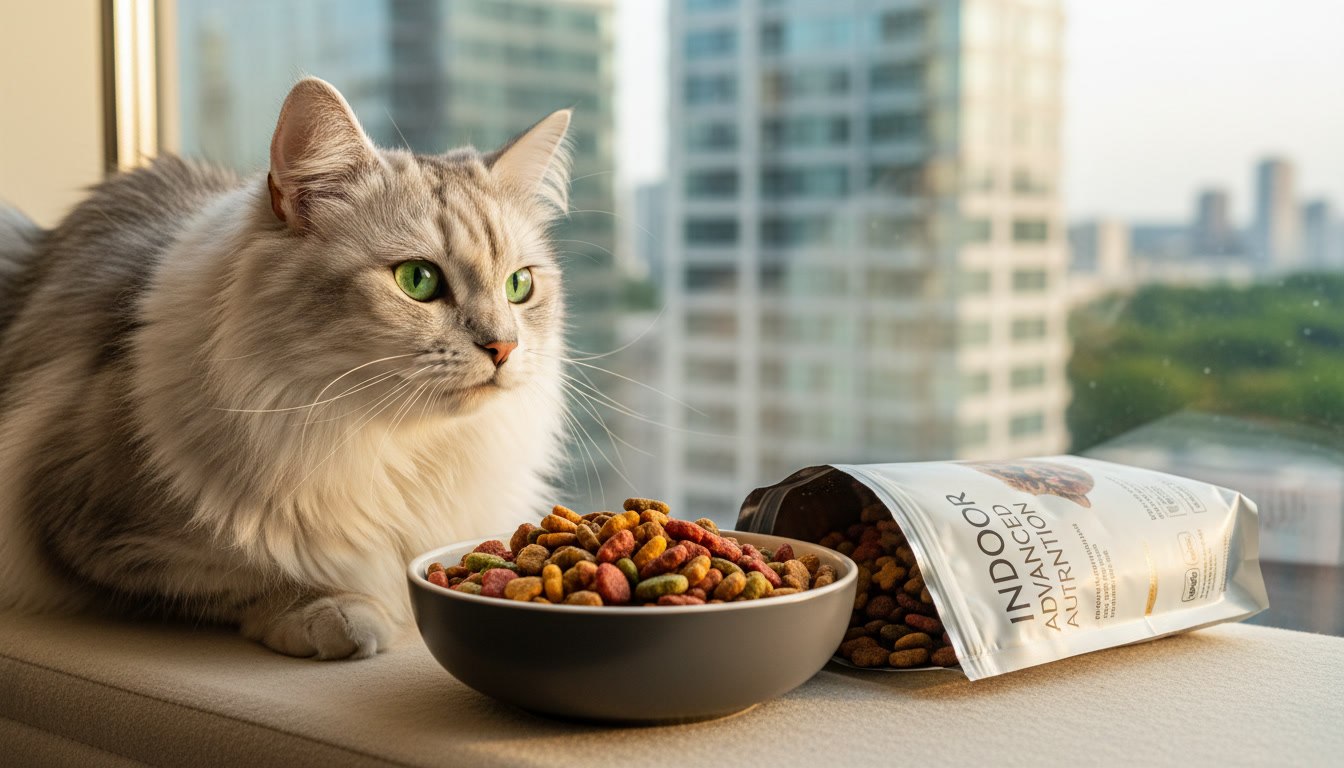
Finding the best dry cat food for indoor cats can feel like navigating a maze. With hundreds of brands promising shiny coats and boundless energy, how do you separate the marketing fluff from genuine nutrition? Indoor cats have a unique lifestyle that differs significantly from their outdoor counterparts. They typically burn fewer calories, groom themselves more often (leading to hairballs) and are prone to weight gain.
Because of these specific needs, the “perfect” food isn’t just about taste, it’s about a scientifically balanced diet that supports a sedentary lifestyle while mimicking their natural carnivorous diet. In this guide, we will explore the best dry cat food for indoor cats available on the market today, breaking down nutrition, ingredients and value to help you make the right choice for your furry companion.
Understanding the Unique Needs of Indoor Cats
Before diving into specific product reviews, it is vital to understand why indoor cats require a specialized diet. An outdoor cat might spend hours hunting, climbing and patrolling territory, burning significant energy. In contrast, an indoor cat’s biggest exertion might be a sprint to the food bowl or chasing a laser pointer for ten minutes.
Consequently, the best dry cat food for indoor cats must address three critical areas:
-
Calorie Density: Indoor cats are prone to obesity. High-quality indoor formulas often have fewer calories per cup compared to active outdoor formulas to prevent unwanted weight gain.
-
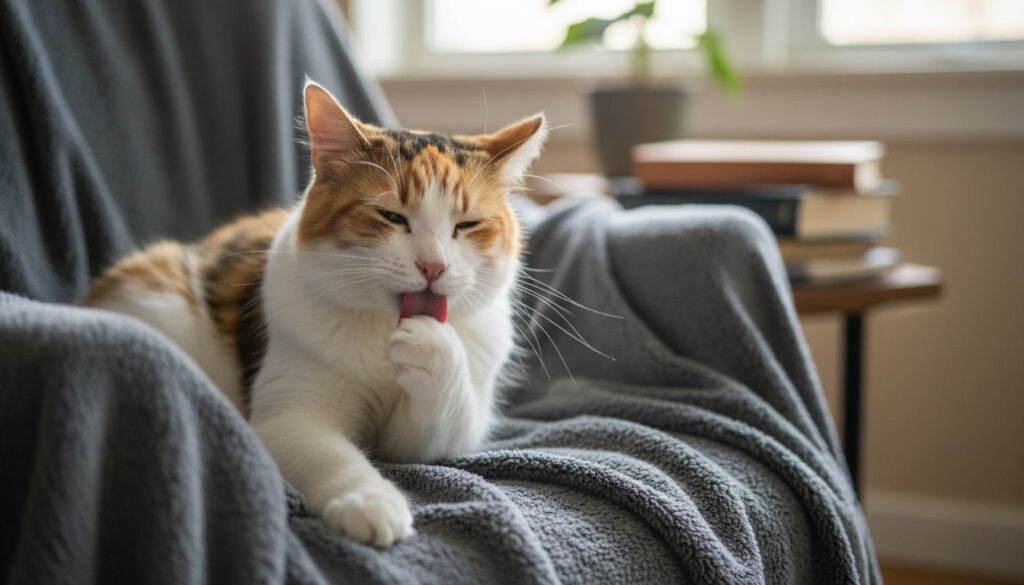
Hairball Control: Since they spend more time grooming and less time distracted by the outdoors, indoor cats swallow more fur. The best dry cat food for indoor cats usually includes higher fiber content to help move hair through the digestive tract safely.
-
Litter Box Odor: Let’s be honest, nobody wants a smelly home. Many indoor formulas contain ingredients like yucca schidigera to reduce stool odor, a feature both you and your guests will appreciate.
Top Picks for the Best Dry Cat Food for Indoor Cats
We have analyzed the market trends, nutritional labels and pet owner reviews for 2024 and 2025 to bring you these top recommendations.
1. Best Overall: FirstMate Grain-Free Chicken Meal with Blueberries
When looking for the absolute best dry cat food for indoor cats, simplicity and quality often win. FirstMate is a standout choice because it uses a single source of meat protein (chicken meal) and is free from grains, which can be hard for some cats to digest.
-
Why it wins: It is low in carbohydrates but high in protein, which is essential for maintaining lean muscle mass in indoor cats without adding bulk. The inclusion of blueberries offers antioxidants that support the immune system.
-
Best for: All life stages, especially cats with sensitive stomachs.
2. Best for Weight Management: Hill’s Science Diet Adult Perfect Weight
Obesity is a leading health issue for indoor felines. If your vet has mentioned your cat needs to shed a few pounds, this is widely considered the best dry cat food for indoor cats for weight loss.
-
Why it wins: Clinical studies have shown this food helps cats lose weight within 10 weeks. It utilizes a high-fiber, high-protein blend to keep cats feeling full so they don’t beg for food constantly.
-
Best for: Chubby tabbies and cats prone to rapid weight gain.
3. Best for Hairball Control: Royal Canin Feline Care Nutrition Hairball Care
Royal Canin is famous for its breed-specific and condition-specific formulas. Their Hairball Care option is a top contender for the best dry cat food for indoor cats if you are constantly cleaning up hairballs.
-
Why it wins: It features a specific blend of dietary fibers (including psyllium) that stimulates intestinal transit. Instead of regurgitating hair, the cat passes it naturally through digestion.
-
Best for: Long-haired breeds like Persians or Maine Coons living indoors.
4. Best Premium Ingredient Profile: Open Farm Homestead Turkey & Chicken
For owners who want transparency, Open Farm offers some of the best dry cat food for indoor cats with ethically sourced ingredients. You can actually trace every ingredient on the bag back to its source.
-
Why it wins: It contains human-grade meats and non-GMO vegetables. It avoids cheap fillers like corn, wheat and soy, ensuring your indoor cat gets nutrient-dense calories rather than empty energy.
-
Best for: Eco-conscious owners and cats with refined palates.
5. Best Budget-Friendly Option: Purina One Indoor Advantage
You don’t always have to break the bank to provide quality nutrition. Purina One is frequently cited as the best dry cat food for indoor cats for those on a budget who still want real meat as the first ingredient.
-
Why it wins: It offers a solid balance of protein and fiber at an affordable price point. It is widely available and helps minimize hairballs while promoting a healthy weight.
-
Best for: Multi-cat households where premium costs add up quickly.
How to Choose the Best Dry Cat Food for Indoor Cats
Selecting the right food involves more than just picking a pretty bag. To ensure you are truly buying the best dry cat food for indoor cats, you need to become a label detective. Here are the key factors to scrutinize:
Check the Protein Source
Cats are obligate carnivores. This means they biologically require meat to survive. The first ingredient on the label should always be a named meat source (e.g., “Chicken,” “Turkey,” or “Salmon”), not “meat by-product” or “corn gluten meal.” High-quality animal protein is the cornerstone of the best dry cat food for indoor cats.
Analyze the Fiber Content
As mentioned earlier, fiber is the secret weapon for indoor cats. It aids in digestion, weight management and hairball reduction. Look for sources like beet pulp, cellulose or pumpkin. A fiber content of 5% to 7% is generally ideal for an indoor formula.
Avoid Artificial Fillers
The best dry cat food for indoor cats should be free from artificial colors, flavors and preservatives. Ingredients like Red 40 or Yellow 5 offer no nutritional value and can sometimes cause allergic reactions. Stick to natural preservatives like mixed tocopherols (Vitamin E).
Consider the Kibble Shape
Believe it or not, shape matters. Some cats are “gobblers” who eat too fast and vomit. Larger or uniquely shaped kibble can force them to chew more thoroughly, which improves dental health and slows down their eating pace.
Frequently Asked Questions (FAQs)
Here are some common questions cat owners ask when hunting for the best dry cat food for indoor cats.
1. Is grain-free dry food better for indoor cats?
Not necessarily. While grain-free diets are popular, grains like brown rice or oatmeal can be excellent sources of fiber and energy. Grain-free is only the best dry cat food for indoor cats if your kitty has a diagnosed allergy to grains. For most cats, a high-quality grain-inclusive diet is perfectly healthy.
2. Can I mix wet food with dry food?
Absolutely. In fact, many veterinarians recommend it. Dry food is convenient and good for dental hygiene, while wet food provides essential moisture. Mixing them can offer the benefits of both worlds. However, if you are strictly looking for the best dry cat food for indoor cats, ensure you are measuring portions so you don’t overfeed when adding wet toppers.
3. How much dry food should I feed my indoor cat?
This depends on the calorie density of the food. On average, a 10-pound indoor cat needs about 200–250 calories per day. Always check the feeding guidelines on the bag of the best dry cat food for indoor cats you choose, but remember those are often generous estimates. Start with the lower end of the recommendation to prevent obesity.
4. Does indoor cat food really reduce litter box smell?
Yes, high-quality indoor formulas often include ingredients like yucca schidigera or highly digestible proteins. When the cat digests the food more efficiently, there is less waste and fewer by-products that cause foul odors. Choosing the best dry cat food for indoor cats can noticeably improve the air quality near the litter box.
5. My cat is a picky eater; how do I switch to a new dry food?
Cats are creatures of habit. Even if you bought the best dry cat food for indoor cats, they might reject it if switched too abruptly. Mix 25% of the new food with 75% of the old food for three days. Then go to 50/50 for three days, then 75/25. This slow transition prevents digestive upset and helps them accept the new flavor.
Conclusion
Your cat’s health is directly influenced by what you put in their bowl. By choosing the best dry cat food for indoor cats, you are investing in their longevity, comfort and happiness. Whether you opt for a premium grain-free option like FirstMate, a science-backed weight management formula from Hill’s or a budget-friendly reliable choice like Purina One, the key is consistency and quality ingredients.
Remember to monitor your cat’s weight and coat condition after switching foods. The best dry cat food for indoor cats is ultimately the one that makes your furry friend thrive.